Layers of ambience
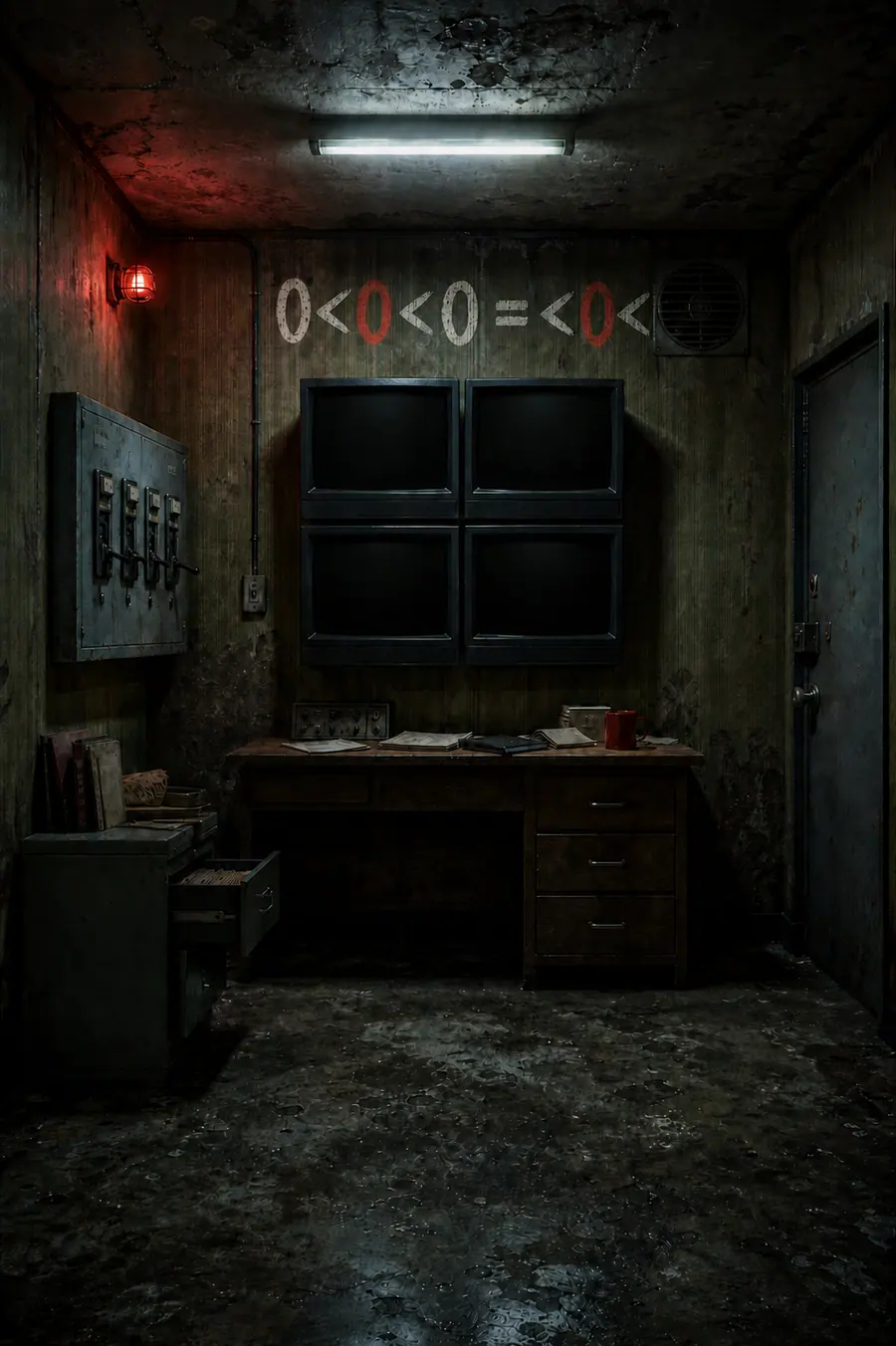
A quiet dark-ambient bed connects the series without covering room detail. During the control-room blackout, only water drops remain. Restoring power adds fluorescent buzz and a low ventilation hum.
Breaking the fluorescent light removes only that layer. Opening the vent stops the fan. The player can hear the state of the room without a musical cue announcing every change.
Immediate feedback
A delayed sound makes a successful input feel broken. We trimmed leading silence from password keys, door keys, screwdrivers, and the extinguisher so playback begins with the touch.
Long footsteps and door recordings are not used in full. Only the portion needed for the transition remains, preventing one action from masking the next.
A consistent language
Every password key shares one input sound, and every keyed door shares one unlock sound. Empty-space taps and meaningful interactions use different short cues, allowing players to recognize the result even without looking directly at the interface.
Mixing by room and by state
A sound can be clean in isolation and still disappear beneath ambience, water drops, and fluorescent buzz. We therefore mix by relative level inside the game. Password input stays clear, while repeating ventilation and dark ambience remain quiet enough to avoid fatigue during a long session.
With sound muted, an unlocked device, restored power, or failed input should still be distinguishable through a visible change. Audio helps the player notice those changes quickly, but the design should not make it the only source of information required for progress. Editing cue starts, managing loops, and handling duplicate mobile playback are covered separately in the audio implementation record.